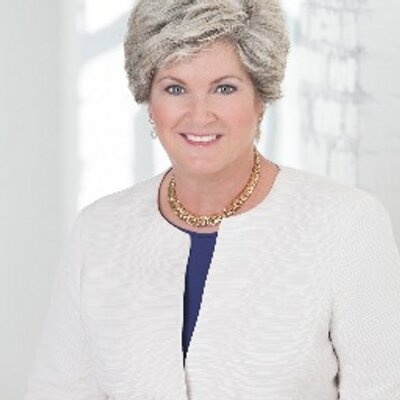
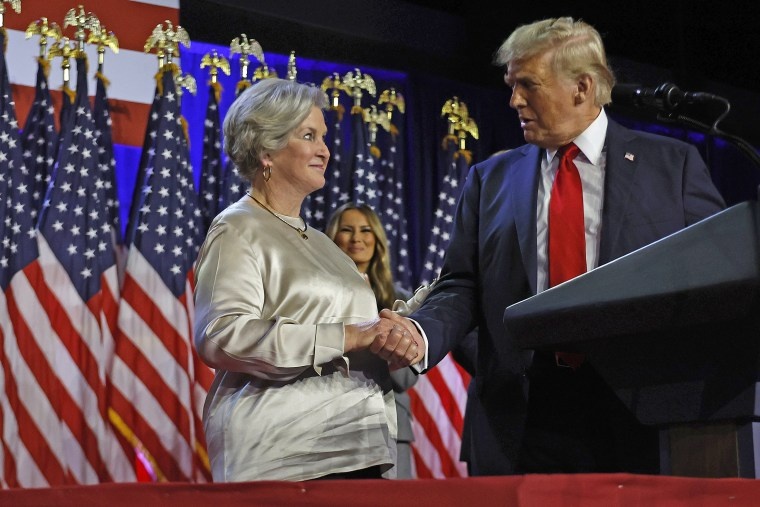
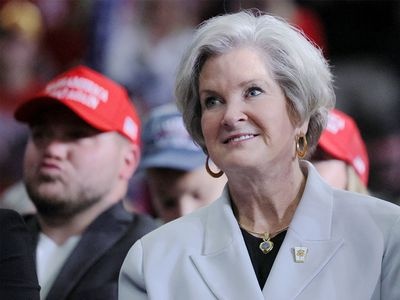
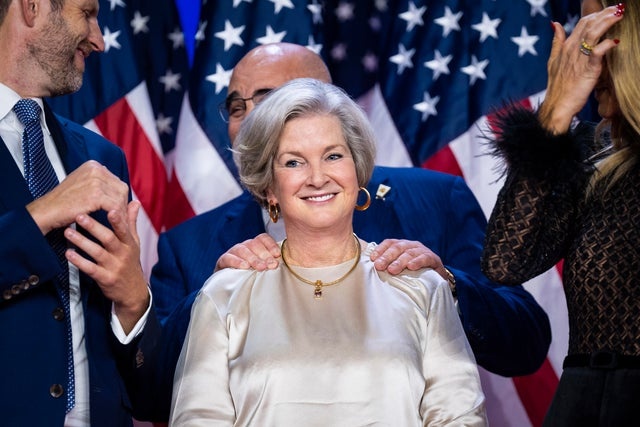
Wiles brings a deep, decades-long record in Republican politics to the post. Born May 14, 1957, in Lake City, Florida, she is the daughter of broadcaster Pat Summerall and earned a BA from the University of Maryland, College Park in 1978. Her early career wove through national campaigns and federal schedules: she worked for New York representative Jack Kemp while in college, then for Ronald Reagan’s 1980 presidential campaign in the White House Office of Scheduling and Advance, and for labor secretary Raymond J. Donovan. She later directed Tillie Fowler’s 1992 campaign for Florida’s 4th congressional district and joined the administration of Jacksonville Mayor John Delaney, serving as his chief of staff from 1997 to 2000 before moving to the administration of Mayor John Peyton. That Jacksonville tenure helped cement her reputation as a hands-on operator capable of coordinating complex political and administrative efforts on the ground.
Wiles rose to national prominence through her Florida operations for Donald Trump. Politico’s profiles and roundups emphasize her role as a field strategist who built an enduring, highly organized ground game in Florida, a state that has long been pivotal in national contests. In 2016 and beyond, she ran the Florida campaign operation for Trump, earning recognition for disciplined staff management and a results-oriented approach that emphasized turnout and message discipline. These attributes are central to the portrait Politico sketched in its 2024 and 2025 coverage: a figure who is both admired for her effectiveness and feared for her unyielding standards and willingness to make hard decisions.
An Axios interview released in early January 2025 underscored her approach to governing the West Wing. Wiles described a plan to block excessive access and to centralize decision-making, signaling a gatekeeping stance designed to protect the president’s agenda and streamline personnel decisions. The interview highlighted a willingness to enforce loyalty and implement a tightened staff structure, a pattern consistent with her reputation in political circles.
Wiles’s public persona in conservative politics has long been colored by a mix of strategic brilliance and relentless focus. Politico’s magazine profile described her as among the most influential operators in the Trump orbit, capable of turning a campaign’s boiler room into a well-oiled machine. That blend—highly effective campaign discipline paired with a readiness to take decisive action—helps explain why party insiders view her appointment as a turning point for how the Trump administration plans to run the presidency and push its priorities.
For observers, the implications are clear: a White House leadership style anchored in campaign-tested organization, rapid decision cycles, and an emphasis on loyalty and control. As Wiles ushers in a new era of White House staffing, the administration’s policy push and crisis-management responses are likely to reflect her operational playbook—one built on disciplined field data, tight internal channels, and a readiness to make hard calls in service of the president’s agenda. If her past is any guide, the coming months will test not only the machinery of the West Wing but the durability of a management philosophy that has long defined Susie Wiles’s approach to American politics.