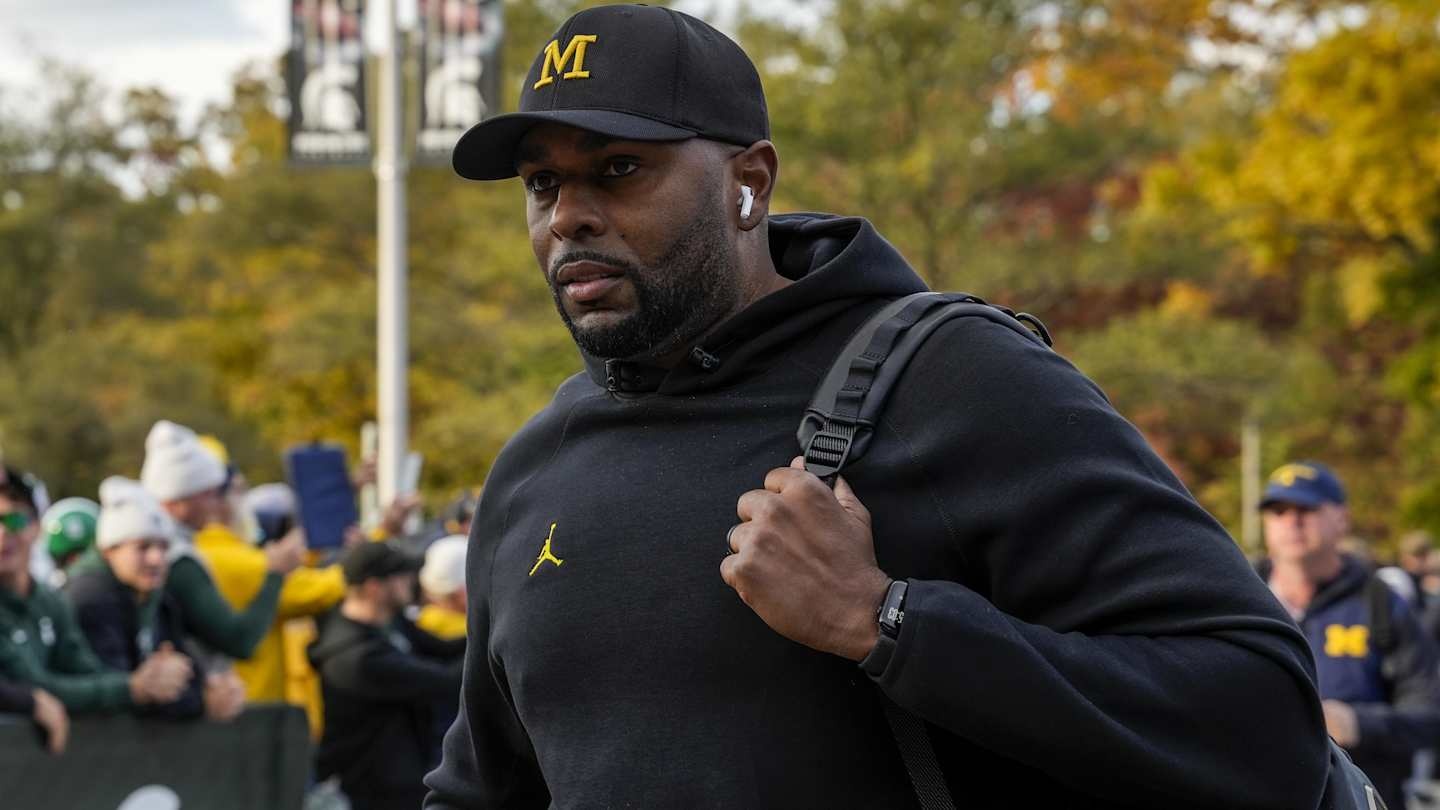
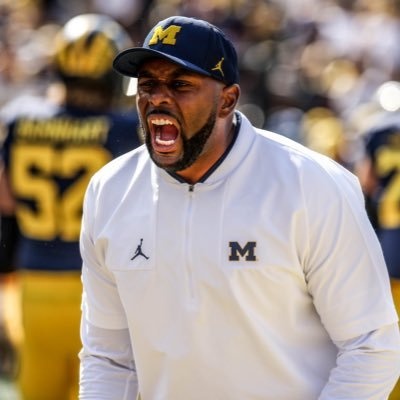
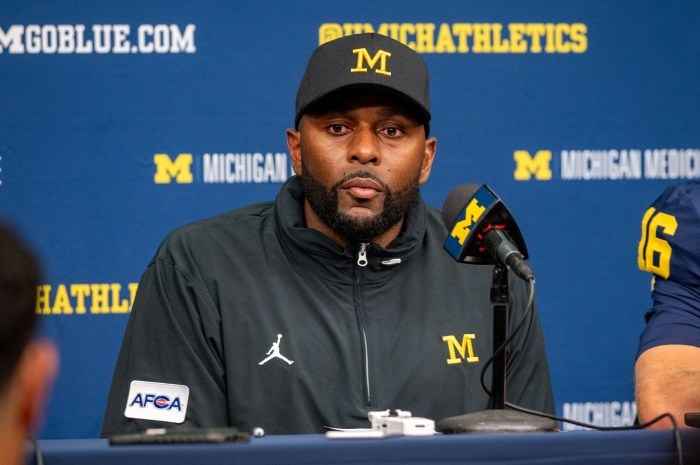
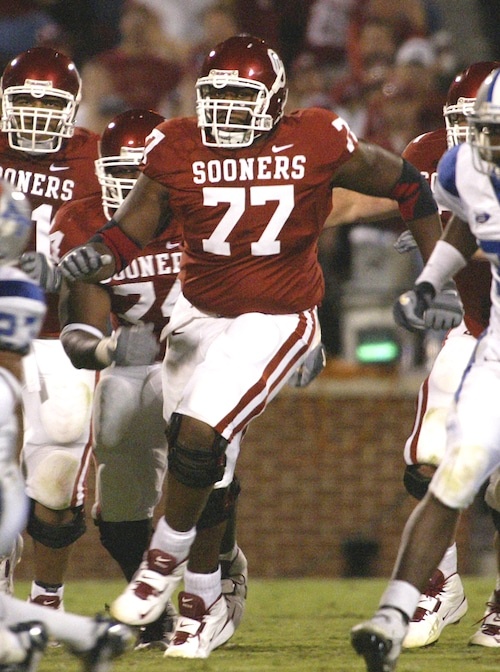
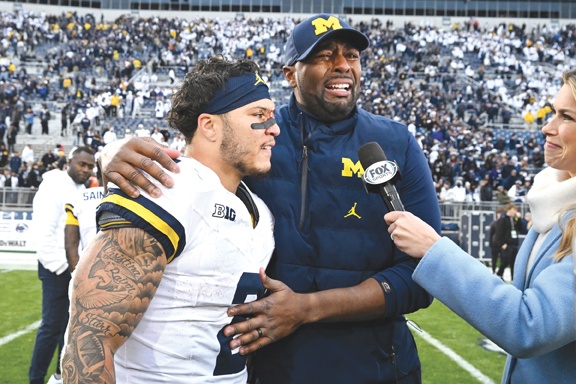
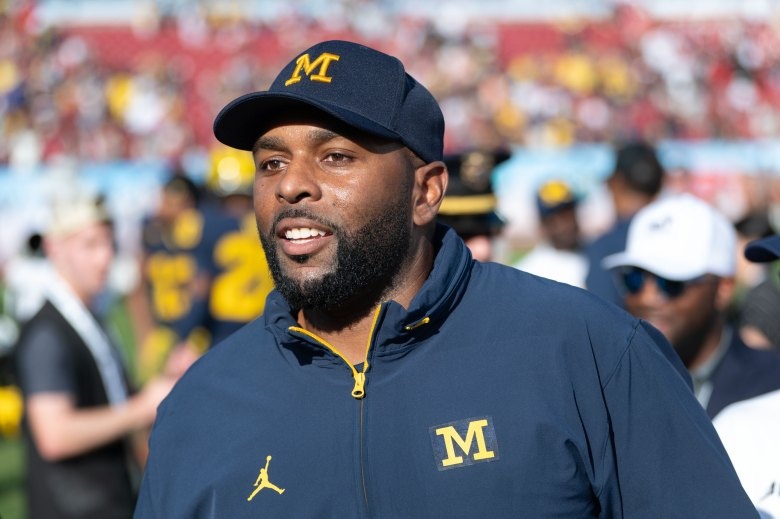
Moore’s coaching journey spans multiple programs and roles. He played guard at Butler, Kansas, and Oklahoma, then moved into coaching with stints at Louisville as a graduate assistant and tight ends coach, followed by a longer run at Central Michigan coaching tight ends and serving as associate head coach/TE/RC in 2017. He joined Michigan in 2018 as tight ends coach, advanced to co-offensive coordinator/OL in 2021-2022, and served as offensive coordinator/OL and acting head coach in 2023. His path illustrates a pattern of increasing responsibility within Michigan’s offensive framework, as well as a readiness to assume broader leadership when opportunities arose.
The shift in 2024 was notable as Moore assumed the head coaching responsibilities after Jim Harbaugh’s departure, signaling a significant moment for the program. While his tenure has been closely watched within college football circles, the period has also included internal moves aimed at sharpening Michigan’s day-to-day operations, especially on special teams, where questions about consistency persisted into the 2025 season.
A byproduct of Moore’s leadership has been a broader reevaluation of the return game. Sports Illustrated reported that Michigan’s special teams had slipped from a once-prized strength to a vulnerability, with the punt return unit at the center of the concern. Kicker Dominic Zvada went 11-of-17 on field goals that year, and the punt return unit averaged just 2.8 yards per return, ranking No. 128 nationally. Semaj Morgan, the primary punt returner, faced fumbles and consistency issues, and true freshman Andrew Marsh stepped into the fold as a potential replacement after a key game against Northwestern. Moore’s response, as quoted in the coverage, suggested Marsh would be the path forward for the return game heading into the Maryland matchup, signaling a tactical pivot designed to restore reliability in create‑and‑score opportunities on special teams.
Moore also maintains a visible public presence, including communications on X under the handle @Coach_SMoore, where leadership updates and perspectives are shared with the fan base. Michigan’s official staff directory page once listing Moore has since disappeared, returning a 404 error, a detail that underscores the evolving public-facing architecture of the program as it reorganizes under Moore’s stewardship.
As the program continues to navigate the balance between offense and special teams, Moore’s leadership remains a focal point for fans and analysts alike. His combination of on-field experience, strategic flexibility, and readiness to adapt the roster and unit responsibilities positions him at the heart of Michigan’s ongoing efforts to sustain competitive performance and championship-level ambitions in a changing landscape. The coming seasons will reveal how Moore’s approach translates into sustained results, the maturation of the return game, and the broader trajectory of Michigan football under his continued influence.