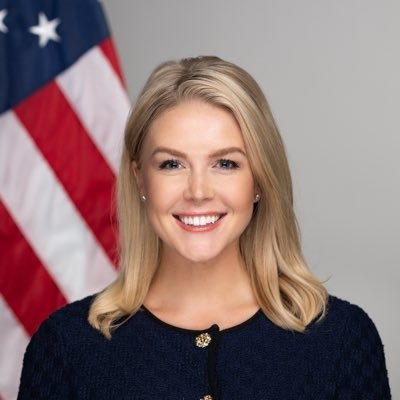
Born in 1997 in Atkinson, New Hampshire, Leavitt pursued politics and communication at Saint Anselm College, where she wrote for the school newspaper, founded a broadcasting club and earned a BA in 2019. Her early career intertwined with the White House communications apparatus: she interned in the White House Office of Presidential Correspondence and later became its associate director, marking an ascent through the administration’s communications channels. In 2020 she served as an assistant White House press secretary, a role that positioned her for later leadership. After Trump’s 2020 loss, Leavitt moved into a national-security and district-focused lane as a communications director for New York Congresswoman Elise Stefanik, a position widely viewed as a springboard for her 2022 congressional bid in New Hampshire’s 1st district.
Leavitt’s public profile rose alongside her 2022 campaign, and she has carried that visibility into her current role. Her public voice includes appearances and statements reflecting the Trump-aligned messaging strategy, with her official X account serving as a hub for policy stances and briefings. In recent months, Leavitt has spoken publicly on policy issues such as border security, national emergencies and executive actions, framing the administration’s approach in direct terms for reporters and the public.
The White House’s January 29, 2025 briefing by Leavitt underscored a bustling start to the administration’s second wave. She highlighted a run of executive actions and economic measures, insisting that President Trump has moved swiftly to fulfill campaign promises. Leavitt noted more than 300 executive actions taken since taking the oath and claimed nearly $1 trillion in U.S. investments as a cornerstone of the administration’s economic narrative. On foreign and domestic policy, she emphasized border security, arguing that the administration had declared a national emergency on day one to address what she described as an ongoing border crisis, alongside efforts to restore “common sense” to federal governance. Leavitt also drew attention to a string of confirmations and nominations, stating that the Senate had already confirmed five cabinet nominees—Secretary of State Marco Rubio; Defense Secretary Pete Hegseth; CIA Director John Ratcliffe; Homeland Security Secretary Kristi Noem; and Treasury Secretary Scott Bessent—and urged the Senate to approve the remainder promptly.
Beyond broad policy claims, Leavitt used the briefing to position the administration as actively delivering on its promises, while reinforcing the discretion and speed of the White House communications operation. Her remarks about the administration’s staffing and policy direction align with the broader narrative of a restored executive branch that seeks to set the tone for public debate and media coverage. Notably, Leavitt has engaged on other occasions with public policy moments, including commentary on the Laken Riley Act, a topic she highlighted in a public-facing video released in late January, illustrating her willingness to blend policy advocacy with the daily cadence of press outreach.
As Leavitt continues in her role, observers will be watching how her messaging blends campaign-era rhetoric with the procedural demands of governing. The trajectory of the Trump administration, including the handling of Cabinet confirmations and the pace of executive actions, will likely hinge on her ability to maintain clear, direct communication with the press and the public while steering the administration’s narrative through rapid developments on multiple fronts.