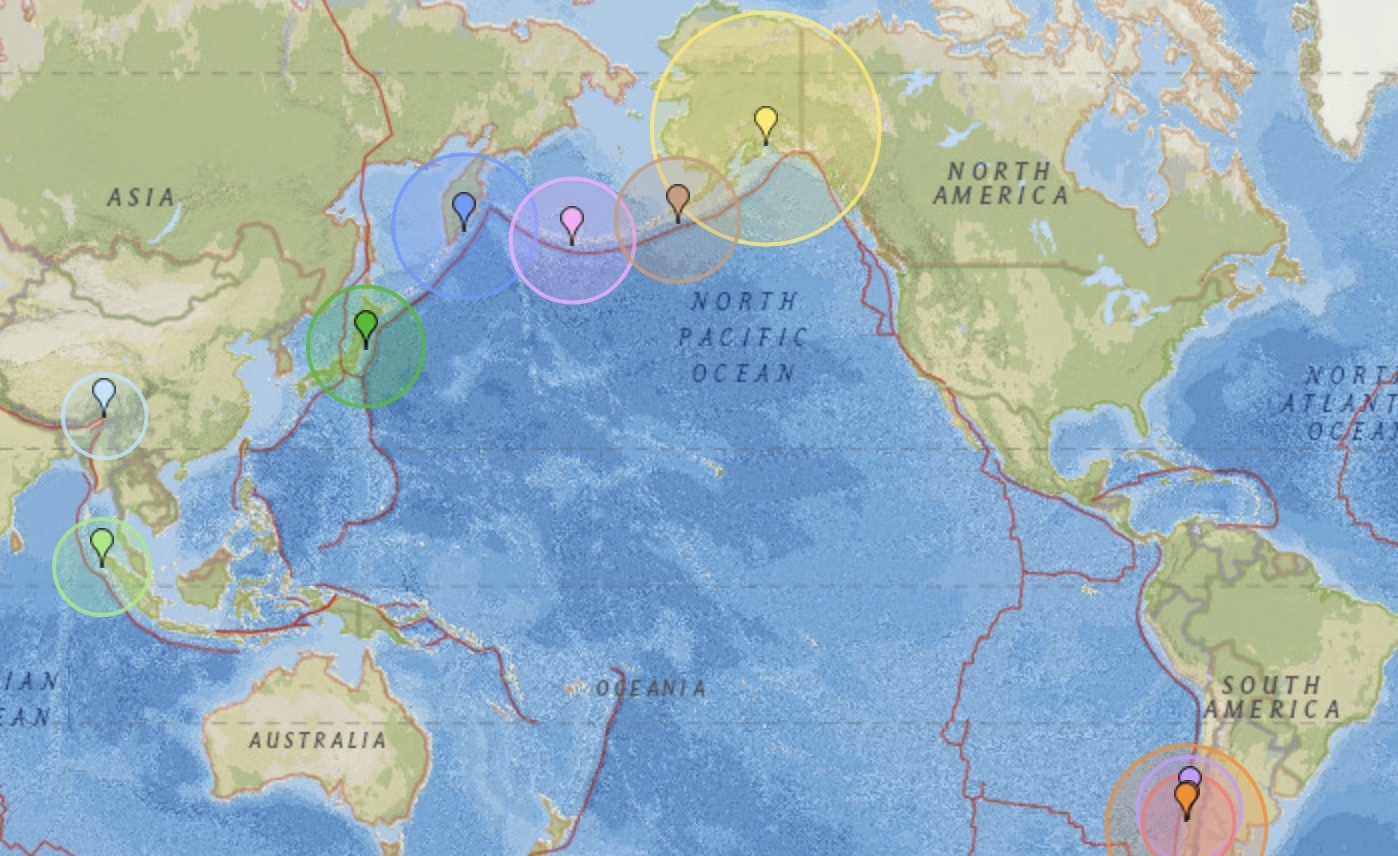
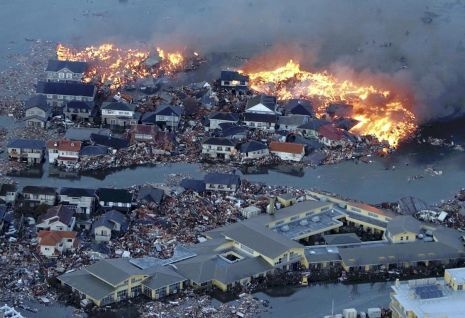
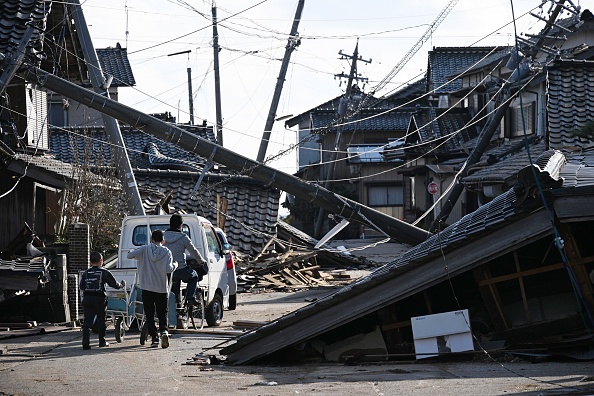
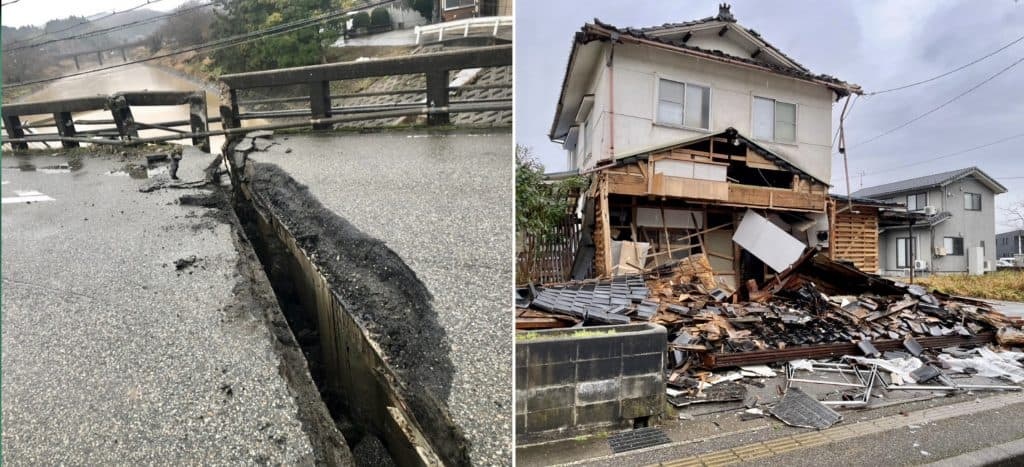
The tremor induced ground shaking across vast swaths of Honshu and set off a perilous cascade of crises. Tsunami waves reached extraordinary heights, with the most extreme reports showing up to 40.5 meters in some locations such as Miyako and other Iwate prefecture sites. The disaster exacted a staggering human and economic toll: nearly 19,800 people were confirmed dead, more than 6,200 injured, and some 2,500 still unaccounted for, while total damages were estimated at about US$360 billion. The event also precipitated the Fukushima Daiichi nuclear crisis, prompting mass evacuations and long-term displacement for tens of thousands of residents. Thousands of aftershocks followed in the years that followed, with the total number of aftershocks surpassing 13,000 by 2018.
In the years since, Japan and international institutions have studied the event to strengthen resilience. The Japan Meteorological Agency provides ongoing earthquake information in English and Japanese, urging the public to follow government and local authority guidance during disasters. NHK World continues to cover earthquakes and weather disasters, though its earthquake information page has at times faced outages or redirects as sites evolve. EarthquakeTrack’s live feed likewise tracks activity across Japan, recording recent quakes such as a 7.6 magnitude event in Misawa, Aomori, underscoring the region’s persistent seismic activity.
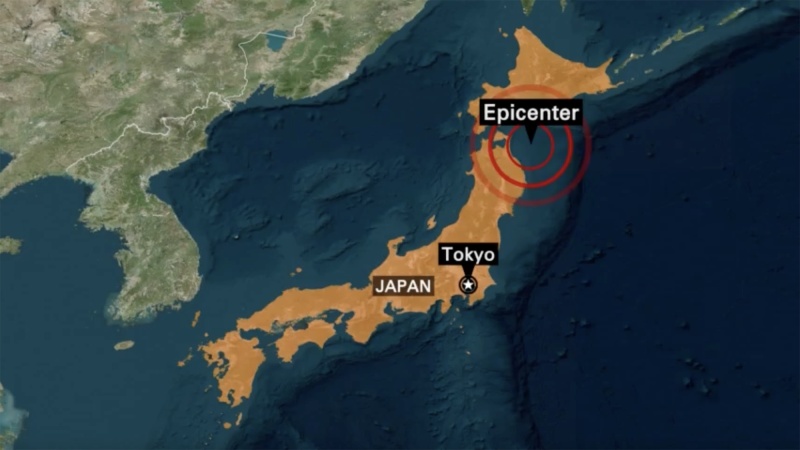
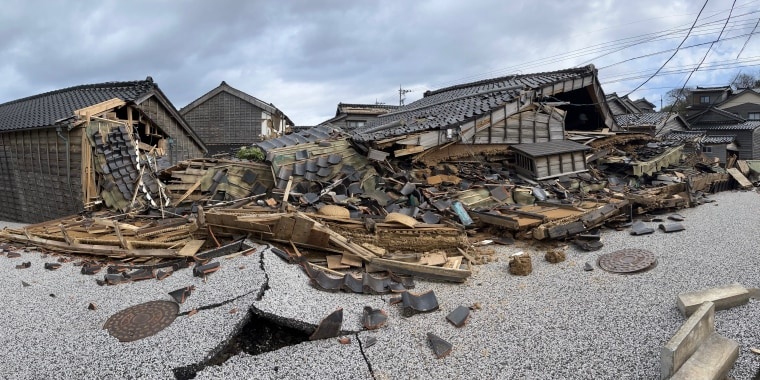
Beyond the long arc of memory from 2011, a separate development has stressed the present-day vigilance. On December 8, 2025, CNN reported a powerful magnitude-7.5 earthquake striking off Japan’s northeast coast, prompting evacuation orders and a tsunami warning for parts of the coastline. The U.S. Geological Survey placed the offshore epicenter roughly 70 kilometers from shore with a depth near 50 kilometers, while the Japan Meteorological Agency observed tsunami waves, including about 0.7 meters at Kuji port in Iwate and smaller waves in Aomori and Hokkaido, before downgrading the warning to an advisory. Officials noted injuries and fires in several prefectures as emergency responders mobilized.
As authorities balance relief and reconstruction, experts emphasize that northeast Japan remains one of the world’s most seismically active regions. The public is urged to heed alerts from the JMA and local authorities, remain prepared for aftershocks, and maintain awareness of potential tsunami threats as the region continues to monitor evolving seismic activity.