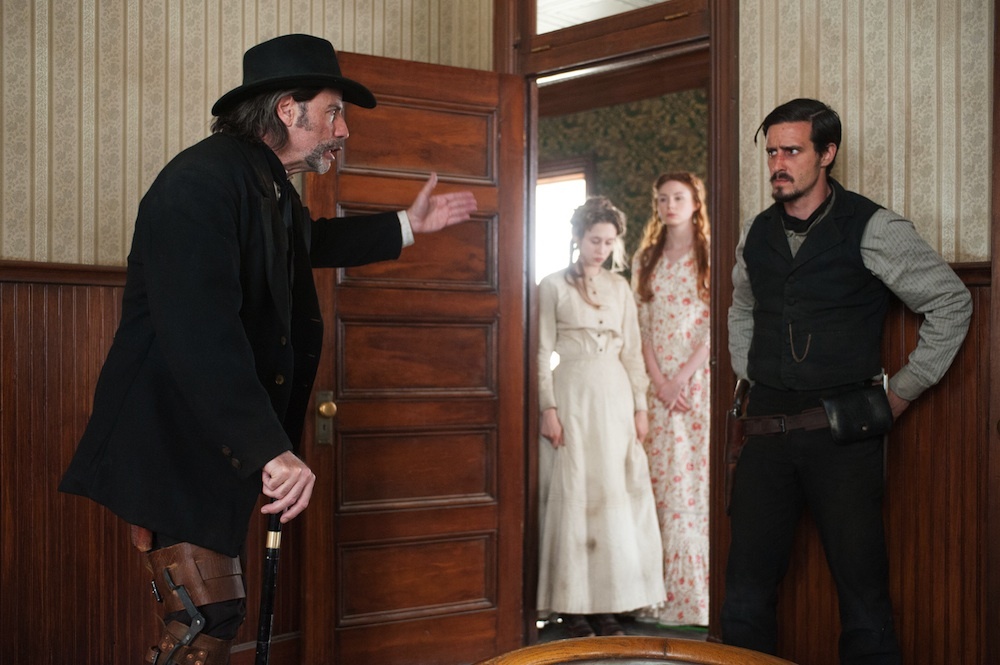
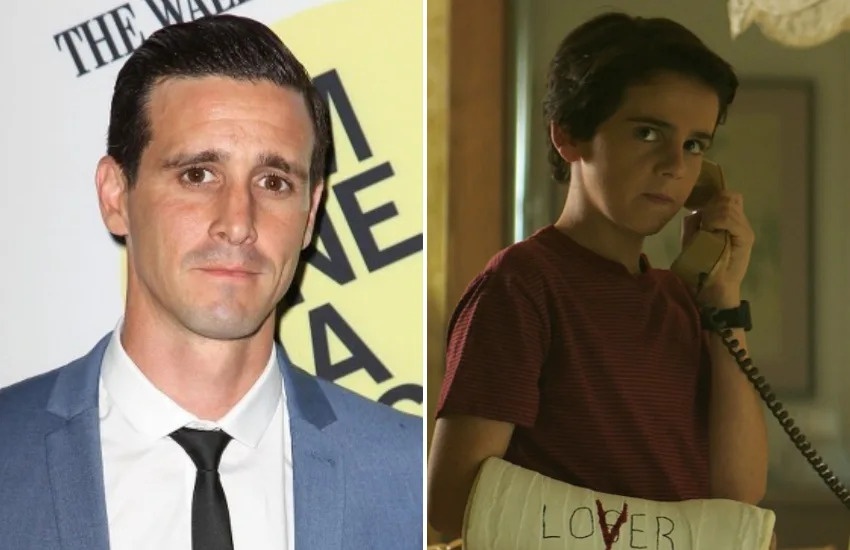
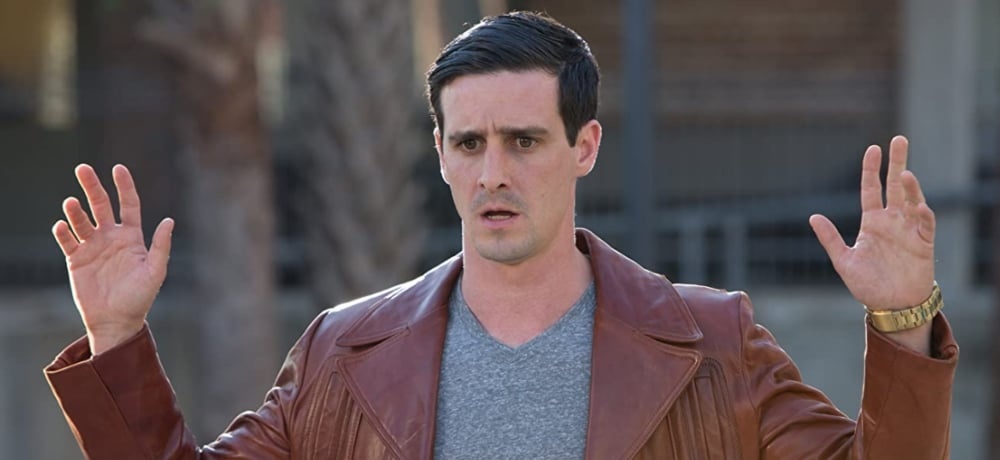
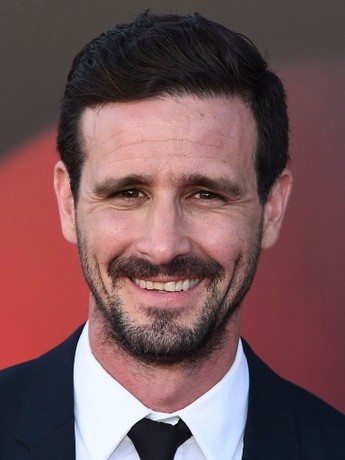
Ransone became widely known for his portrayal of Ziggy Sobotka in the second season of The Wire, a performance that anchored his early breakout in the late 2000s. He later gained attention for his portrayal of US Marine Corporal Josh Ray Person in the wartime miniseries Generation Kill (2008), a project that exposed him to broader audiences and helped shape his capacity for playing morally complex characters. His film work traversed genres, with a supporting turn as a deputy in the horror films Sinister (2012) and Sinister 2 (2015), and as Chester in Tangerine (2015), an indie that drew praise for its bold storytelling. In genre cinema, he also appeared as Eddie Kaspbrak in It Chapter Two (2019) and as Max in The Black Phone (2021), roles that showcased his ability to inhabit both sympathetic and unsettling figures. His career included a spike of high-profile projects, such as a leading role in Ti West’s In a Valley of Violence, where he played a provocative antagonist amid a star-studded ensemble.
Born James Finley Ransone III on June 2, 1979, in Baltimore, he was the son of Joyce (née Peterson) and James Finley Ransone II, a Vietnam War veteran. He was educated at the George Washington Carver Center for Arts and Technology in Towson, Maryland, and spent a year at the School of Visual Arts in Manhattan. Early on, he worked across various creative pursuits, including time spent away from acting; he co-starred in Ken Park (2002) and then joined The Wire in 2003, ultimately contributing a memorable arc as Ziggy Sobotka. A 2010s interview with Interview Magazine recounts how his path was anything but linear—dropping out of film school at 19, pursuing photography and music, and wrestling with heroin addiction for five years before embracing sobriety. That turning point preceded a period of sustained, varied work: Tangerine, Sinister duo, and major indie and studio projects that followed, culminating in prominent horror and coming-of-age franchise appearances.
The Interview piece also highlights the personal evolution that accompanied his professional ascent. After years of fluctuating activity, sobriety opened space for a more intentional career trajectory and a broader range of roles, including the morally ambiguous and the morally charged. In addition to his on-screen work, his public presence has included an active Instagram account with a sizable following, reported to exceed 150,000 followers, even as the feed shows no posts at the moment, underscoring the way fans maintain a connection to his work through social media and archival material. Online discussions, including Reddit conversations, have reflected on his contributions to The Wire and his later performances, illustrating the lasting impact of his diverse body of work on fans and peers alike.
Ransone’s passing leaves a notable void in a career that bridged gritty television realism and genre cinema. His performances—whether as the sardonic Ziggy, the haunted Eddie Kaspbrak, or the menacing Gilly-like figures in western-horror hybrids—demonstrated a willingness to inhabit uncomfortable anchors of a story. As colleagues and fans remember his range, the industry will likely reflect on his contributions to a generation of projects that pushed boundaries in both form and storytelling. The arc of his career—from Baltimore roots to Hollywood stages, from indie experiments to mainstream horrors—offers a portrait of an actor who remained committed to tackling complex characters, a legacy that will continue to resonate with audiences and aspiring actors alike.