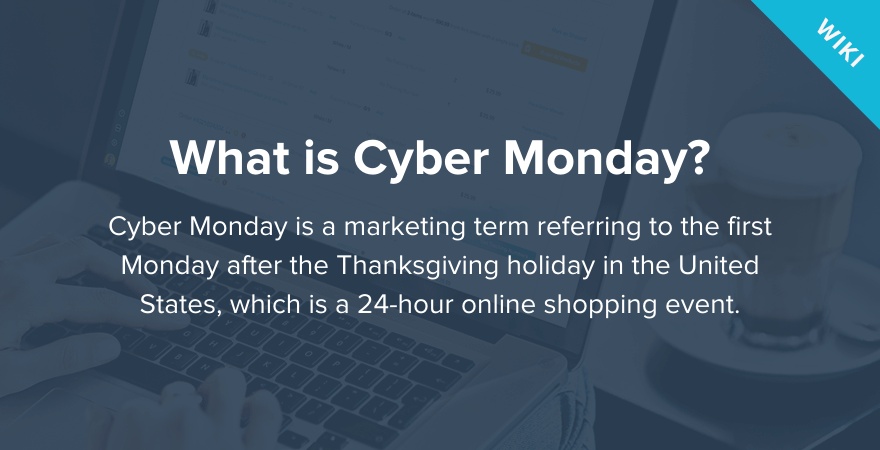
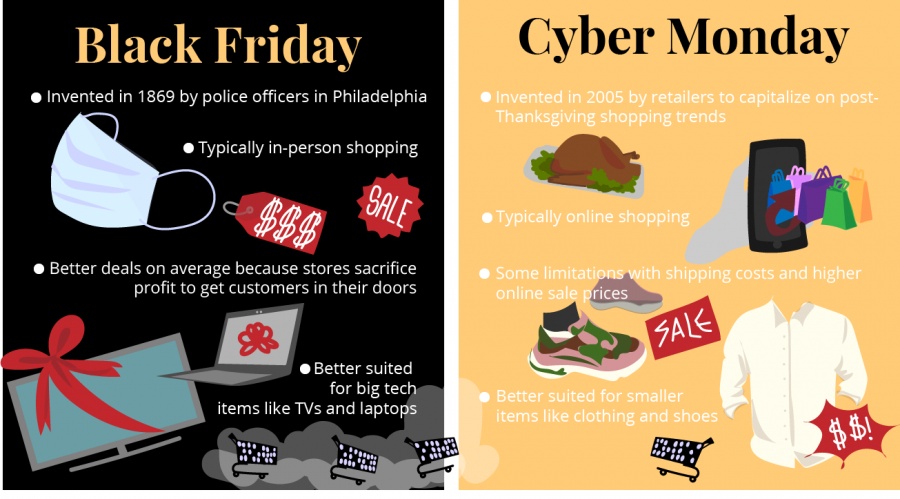
The concept sits on a broader history of price cutting in retail, stretching back to a mid-century practice of stores lowering prices and extending hours. Today, Cyber Monday is anchored to the Monday after Thanksgiving, with the date fluctuating between late November and early December—2024 fell on December 2, 2024, 2025 on December 1, 2025, 2026 on November 30, and 2027 on November 29, highlighting the flexible calendar that retailers leverage to maximize online traffic and orders. While it originated in the United States, the term has gained international traction and is now used by online retailers across multiple regions, including Canada, the United Kingdom, Brazil, and Egypt.
Retailers frame Cyber Monday as a chance to wrap up the holiday shopping season with online-only convenience and substantial savings. Major U.S. outlets such as Best Buy highlight cross-border shopping options for international customers, offering access to U.S. addresses or stores, and emphasizing a broad range of electronics and tech deals. Target promotes Cyber Monday alongside a suite of deals across tech, toys, and home goods, underscoring services like a price match guarantee and timely delivery windows, with some promotions ending on the following Monday or subject to exclusions. The promotional landscape this year remains centered on major brand and retailer campaigns, with deal trackers and ads cataloged to help shoppers navigate the spread of offers.
Deal aggregators and ad hubs further illuminate the scale of Cyber Monday, listing a spectrum of participating brands from Amazon to Nike, Best Buy, Macy’s, Walmart, and more, while cataloging active promotions for 2025. The presence of brand-wide roundups on sites such as BlackFriday.com reflects how shoppers compare prices across retailers and devices, from laptops and headphones to apparel and home electronics. Even athletic brands participate with dedicated Cyber Monday pages, though some pages may experience temporary outages or redirects as retailers optimize their digital storefronts.
Adapting to a changing retail environment, Cyber Monday now encompasses a global audience that expects seamless online checkout, swift shipping, and transparent price guarantees. Retailers continue to lean into multi-channel promotions, international shipping, and cross-border services to capture demand beyond the United States. As technology and consumer behavior evolve, Cyber Monday is likely to grow alongside ongoing shifts to mobile shopping, personalized recommendations, and AI-assisted deal curation, ensuring its place as a defining moment in annual online commerce and a barometer for holiday-season consumer confidence.