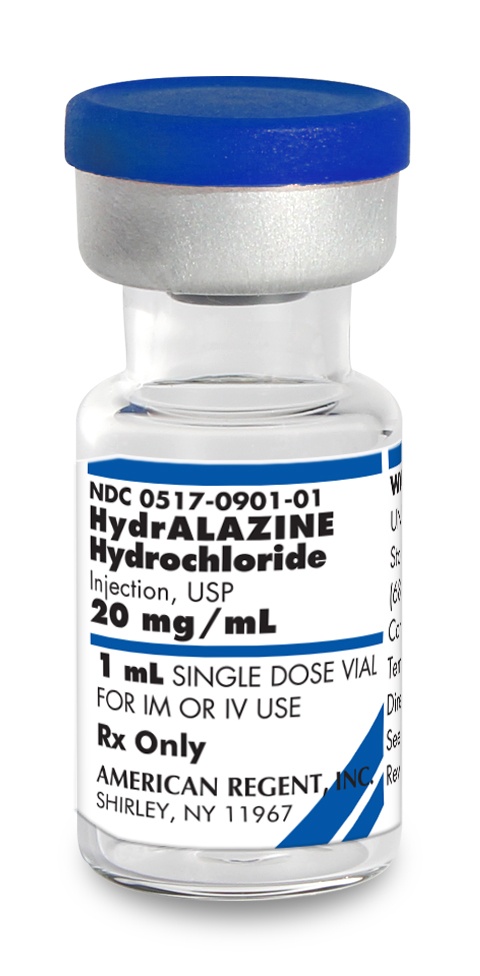
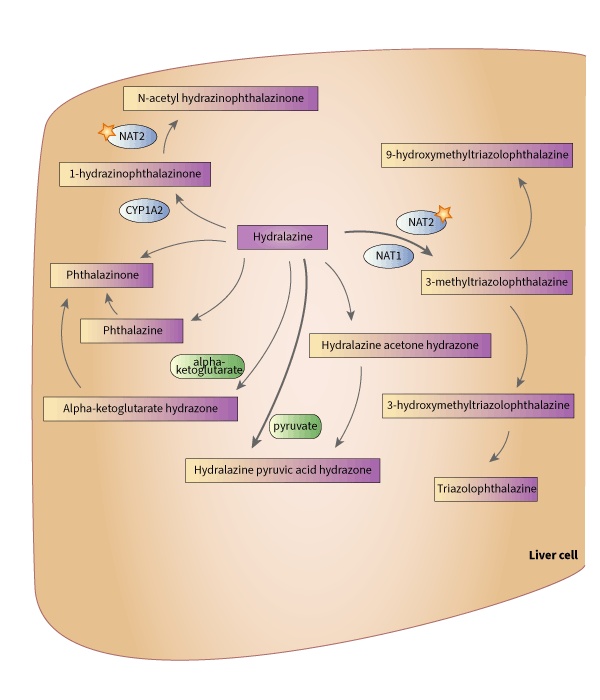
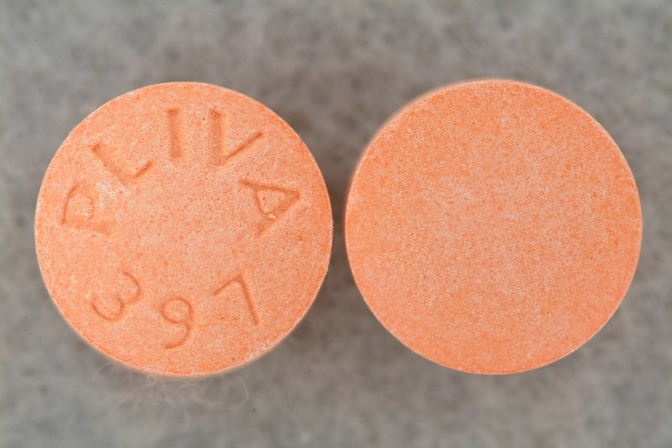
Although effective, hydralazine is not usually a first‑line choice for essential hypertension. Its tendency to trigger reflex activation of the sympathetic nervous system and other adverse effects often leads clinicians to prefer newer agents for long‑term control. Pharmacologically, oral hydralazine begins working in roughly 5 to 30 minutes, while intravenous administration achieves a faster response. The drug is largely metabolized by the liver and has an elimination half‑life of about 2 to 8 hours, with longer clearance sometimes seen in renal impairment, and most of the drug excreted in urine. These pharmacokinetic properties inform careful dosing and monitoring during treatment.
In obstetrics, hydralazine is used to manage high blood pressure during pregnancy, including pre‑eclampsia or eclampsia, and to treat hypertensive crises that threaten mother or fetus. Clinicians weigh the risks and benefits in real time, aiming to stabilize blood pressure while observing fetal status and maternal well‑being. This role is highlighted alongside its broader use for severe hypertension, underscoring the drug’s versatility in acute care scenarios.
Hydralazine also plays a role in treating heart failure, notably in patients of African descent, where it is often combined with isosorbide dinitrate. This combination has shown improved outcomes in certain populations, illustrating how hydralazine complements other therapies beyond essential hypertension and into heart‑failure management. Such uses are described in pharmacology references and drug monographs, reflecting an expanding view of hydralazine’s clinical remit.
Side effects and safety remain central to its use: common issues include tachycardia, headaches, fluid retention, and palpitations. Longer‑term use has been associated with lupus‑like symptoms in some patients, reinforcing the need for ongoing monitoring and dose adjustments. The overall picture—from hypertension control in urgent settings to pregnancy and heart‑failure applications—conveys hydralazine’s enduring, if nuanced, place in modern cardiovascular care.